When an IEP decision, a placement, or a post-secondary pathway is on the line, PAES gives special education teams defensible, performance-based evidence they can put in front of families, auditors, and state reviewers.
What PAES does for Special Education teams
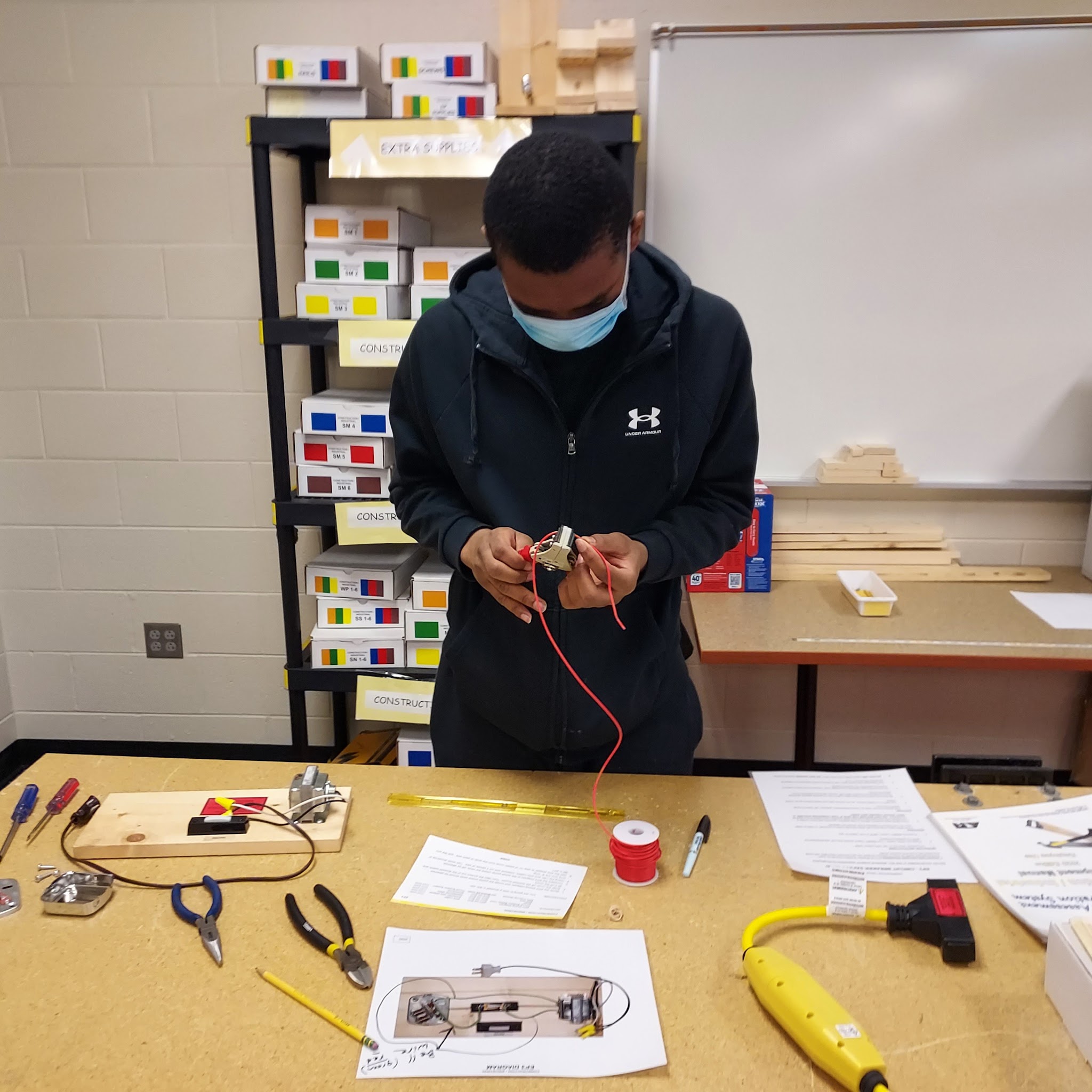
Traditional assessment tells you what a student can do on a test. PAES tells you what they can do at work. Students complete structured tasks across five vocational areas in a real lab environment. Supervisors score what they see. The data accumulates. By the end of a PAES cycle, you have a written record of strengths, areas for growth, work behaviors, and pathway indicators that reads like evidence, not opinion.
86% of educators report students show increased transition readiness after PAES (C11, 2026 Customer Impact Survey, n=308). 75% say PAES reduces subjectivity in their decisions about students (C14).
Built around the work SPED teams are already doing
IEP integration. The PAES report gives teachers a structured set of performance data and observations to translate into IEP language. The numbers and behaviors are there. Teachers turn them into goals, provisions, and Section F-equivalent statements.
Indicator 13. Transition plans generated from PAES output align with the Indicator 13 checklist and evidence the measurable post-secondary goals the Indicator requires.
Pre-ETS alignment. PAES maps to three of the five required Pre-ETS categories: job exploration counseling, work-based learning experiences, and workplace readiness training. Districts commonly co-fund with their state VR agency.
Part B and the annual SPED cycle. PAES is a qualifying IDEA Part B purchase in every state. It slots into the annual SPED budget cycle without disruption.
What families see
Families come to transition meetings hoping to identify what independence for their child will look like. PAES gives teams data to anchor that conversation. Because the report leads with what the student can do, not what they cannot, the discussion shifts. Parents see their child's strengths evidenced. Students see themselves described as workers, not as cases.
"PAES lets our students show us what they can do, not what they can't." PAES supervisor, 2026 Customer Impact Survey
What supervisors say
74% of supervisors trust PAES data enough to use it for high-stakes transition decisions (C04). 81% say PAES reveals student strengths that traditional assessment misses (C02).
Who in a school or district uses PAES
- Transition coordinators as the core assessment for secondary transition.
- Special education teachers for IEP evidence and goal-setting.
- SPED directors and supervisors for program-level defensibility and compliance.
- School psychologists for the vocational component of comprehensive evaluations.
- Job coaches and vocational rehabilitation partners for baseline and progress data.
Funding
Districts fund PAES Labs through a combination of IDEA Part B, state transition grants, Medicaid school-based services, and local SPED categorical allocations. For a full US state-by-state breakdown, download the PAES funding guide.